

Introduction
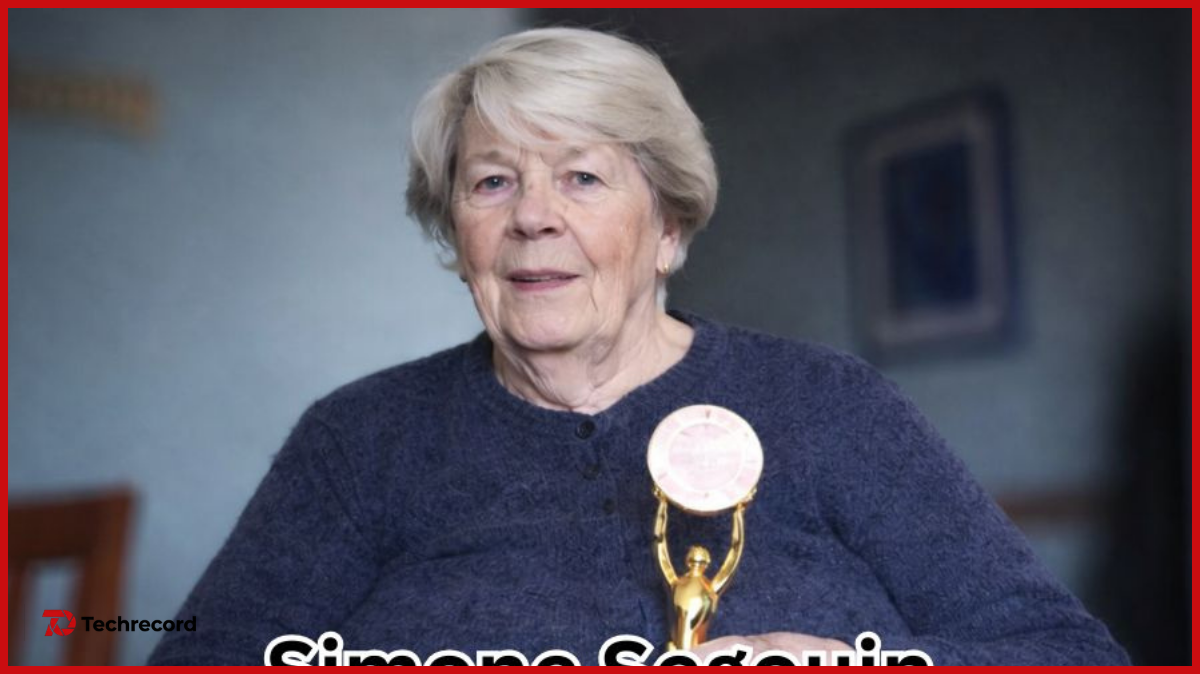
Simone Segouin remains one of the most inspiring figures of World War II history. Known for her bravery, determination, and fearless role in the French Resistance, she became a symbol of courage during one of the darkest periods in Europe. While many stories from the war focus on generals and political leaders, Simone Segouin’s story stands out because she was an ordinary young woman who chose to fight against oppression when it mattered most.
Born in France during a difficult era, Simone became involved in resistance activities as a teenager. At a time when many people were too afraid to act against Nazi occupation, she risked her life for her country. Armed with courage and an unbreakable spirit, she carried out missions that most people could hardly imagine. Her role in liberating parts of France made her a celebrated figure both during and after the war.
Even decades later, Simone Segouin’s legacy continues to inspire historians, students, and anyone interested in stories of resilience. Her life proves that heroism is not limited by age or gender. Instead, true bravery comes from standing up for freedom and justice when the world needs it the most.
Early Life of Simone Segouin
Simone Segouin was born on October 3, 1925, in Thivars, a small village near Chartres in France. She grew up in a farming family and spent most of her early years living a simple rural life. Like many children of her generation, she had no idea that her youth would soon be shaped by war and conflict. Her childhood was relatively peaceful before the German occupation changed everything.
When Nazi Germany invaded France during World War II, the atmosphere across the country shifted dramatically. Fear, uncertainty, and hardship became part of daily life. Simone witnessed how the occupation affected ordinary citizens and how the German military controlled many aspects of French society. These experiences deeply influenced her views and pushed her toward resistance activities.
Despite being very young, Simone refused to remain passive. She admired those who resisted the occupation and believed that freedom was worth fighting for. Her determination grew stronger as she saw the suffering caused by the war. Unlike many teenagers focused on ordinary concerns, Simone was preparing herself to take part in one of history’s most dangerous underground movements.
Joining the French Resistance
Simone Segouin joined the French Resistance at the age of 18, becoming part of the Francs-Tireurs et Partisans, a resistance group fighting against Nazi forces. She adopted the codename “Nicole” to protect her identity while carrying out missions. This was common among resistance fighters because discovery often meant imprisonment, torture, or death.
Her involvement quickly became serious. Simone participated in sabotage operations, intelligence gathering, and attacks against German troops. She also helped transport weapons and relay important messages between resistance networks. These missions required incredible courage because the risks were extremely high. Captured resistance members faced brutal punishment from the Nazis.
One of the most remarkable things about Simone was her confidence and fearlessness. Photographs from the period often show her carrying weapons while wearing military attire. These images became powerful symbols of female resistance fighters during the war. Although women played major roles in the resistance, they were often overlooked in historical accounts. Simone Segouin helped challenge those stereotypes by becoming one of the most recognizable female fighters of the era.
Simone Segouin’s Role in the Liberation of France
As Allied forces advanced into France in 1944, resistance fighters intensified their efforts against German occupation. Simone Segouin became actively involved in operations that supported the liberation movement. She participated in battles and missions that weakened Nazi control in occupied regions.
One of her most famous contributions came during the liberation of Chartres. Resistance members worked alongside Allied troops to drive German forces out of the area. Simone reportedly captured German soldiers and took part in armed confrontations despite the enormous dangers involved. Her bravery earned admiration from fellow fighters and civilians alike.
During this time, photographs of Simone circulated widely in newspapers and magazines. Her youthful appearance combined with her fearless reputation captured public attention. She represented a new image of resistance fighters — young, determined, and willing to sacrifice everything for freedom. These photographs helped turn her into a wartime icon.
The liberation period was emotional and chaotic for France. After years of occupation, people celebrated the return of freedom. Simone Segouin became one of the visible faces of that victory. Her contributions showed that resistance was not limited to trained soldiers but included ordinary citizens prepared to defend their country.
Recognition and Life After the War
After the war, Simone Segouin received recognition for her bravery and service. General Charles de Gaulle reportedly honored her efforts, and she became respected as one of the heroes of the French Resistance. However, like many wartime fighters, she eventually returned to a quieter civilian life once the conflict ended.
Unlike some public figures who remained constantly in the spotlight, Simone chose a more private path. She worked as a pediatric nurse and focused on helping children and families. This transition from armed resistance fighter to caregiver reflects another powerful side of her personality. She was not only courageous during wartime but also compassionate in peace.
For many years, her story was not widely discussed outside historical circles. However, renewed interest in World War II history eventually brought attention back to her remarkable life. Historians, journalists, and documentary filmmakers began highlighting the important roles women played during the resistance movement. Simone Segouin’s story became increasingly appreciated as part of that broader historical recognition.
Her later years were marked by respect and admiration from people who viewed her as a symbol of resilience. She attended commemorations and interviews where she shared memories of the war. Through these appearances, younger generations gained insight into the sacrifices made by resistance fighters during World War II.
The Legacy of Simone Segouin
Simone Segouin’s legacy goes far beyond her wartime achievements. She represents the idea that courage can come from unexpected places. As a young woman living in rural France, she could easily have stayed away from danger. Instead, she chose to stand against tyranny and risk her life for freedom.
Her story also highlights the significant role women played during World War II. While men often received most of the attention in military history, women like Simone carried out dangerous missions, gathered intelligence, and fought directly against occupying forces. Their contributions were essential to resistance efforts across Europe.
Today, Simone Segouin continues to inspire people around the world. Her life serves as a reminder that bravery is not about physical strength alone but about conviction and determination. In times of fear and uncertainty, she demonstrated extraordinary moral courage.
As history continues to examine the human stories behind World War II, Simone Segouin remains one of the most memorable figures of the French Resistance. Her fearless actions, unwavering patriotism, and enduring spirit ensure that her name will never be forgotten.
