

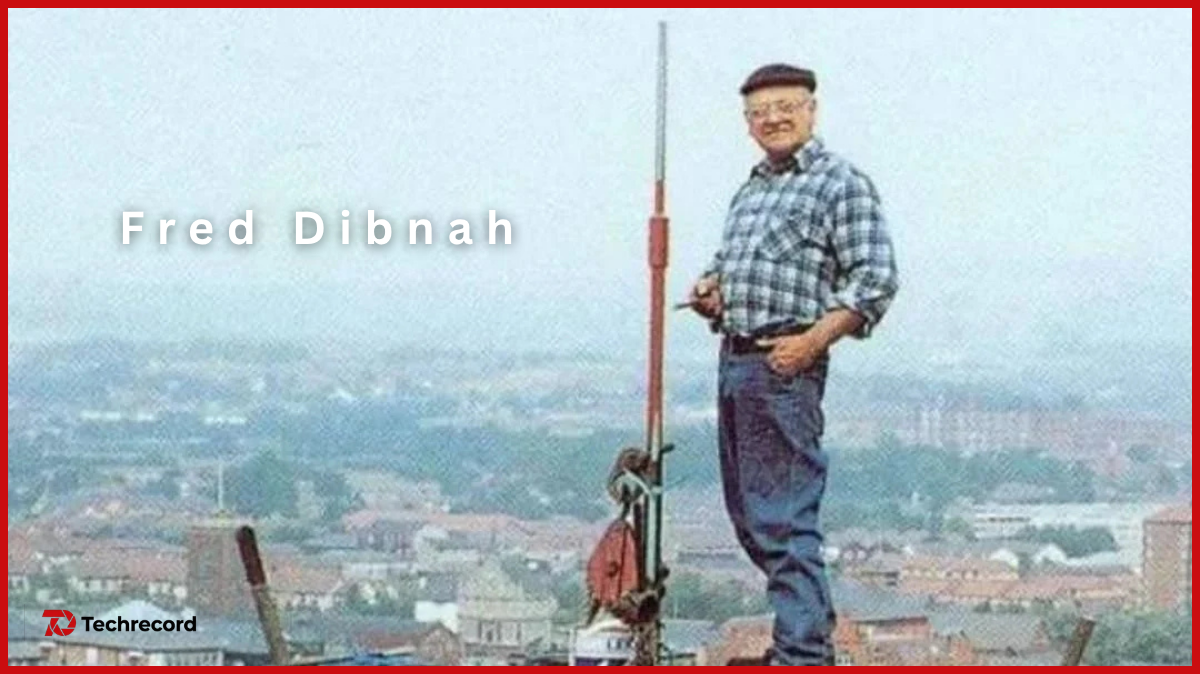
Fred Dibnah remains one of the most fascinating and beloved television personalities Britain has ever produced. Known for his unmistakable flat cap, warm Lancashire accent, and incredible engineering skills, Dibnah turned what seemed like an ordinary trade into something millions of people admired. While many television stars come and go, Fred Dibnah left behind a legacy that still inspires engineers, historians, and fans of traditional craftsmanship today.
What made Fred Dibnah so unique was not just his talent as a steeplejack, but also his genuine passion for Britain’s industrial history. He had the rare ability to explain complicated engineering ideas in a simple and entertaining way. Whether he was climbing towering chimneys or restoring old steam engines, audiences could instantly see that he truly loved what he did.
Even years after his passing, Fred Dibnah continues to capture public attention. His documentaries are still watched across the UK, and his name remains strongly connected to industrial heritage. For many people, he represented honesty, hard work, and a disappearing era of practical skill and dedication.
Early Life and Background of Fred Dibnah
Fred Dibnah was born on April 28, 1938, in Bolton, Lancashire, England. Growing up in a working-class family during a time when industry dominated northern England had a major influence on his future career. From a young age, Fred showed a deep interest in machinery, engineering, and the large mills and factories that surrounded him.
As a child, he became fascinated by steam engines and tall factory chimneys. While most children were interested in ordinary hobbies, Fred spent much of his time studying industrial structures and learning how machines worked. This unusual passion would eventually shape the rest of his life and career. His curiosity about engineering was not something taught in school alone; it came naturally from living in the heart of Britain’s industrial landscape.
Fred left school at the age of fifteen and started working as a joiner. However, he soon discovered that his true passion lay elsewhere. He eventually trained as a steeplejack, a dangerous profession involving the repair and demolition of tall chimneys and industrial towers. This career path perfectly suited his adventurous personality and love for industrial architecture.
Fred Dibnah’s Career as a Steeplejack
Fred Dibnah became famous primarily because of his incredible work as a steeplejack. In Britain, steeplejacks were responsible for maintaining and demolishing tall chimneys, church spires, and industrial structures. It was an extremely risky job that required courage, balance, and exceptional technical skill.
One of Fred’s most remarkable talents was his traditional method of chimney demolition. Instead of using explosives or heavy machinery, he often dismantled chimneys by hand. He would carefully remove bricks at the base of the structure, insert wooden supports, and then burn the supports to control the collapse. This method required enormous precision and experience, and watching him work became a source of fascination for television audiences.
Fred’s fearless attitude amazed many people. Climbing hundreds of feet above the ground without modern safety equipment looked terrifying to viewers, yet Fred always appeared calm and confident. He treated dangerous tasks as ordinary parts of his daily work, which made his achievements even more impressive.
His work also highlighted the craftsmanship involved in industrial maintenance. Fred was not simply demolishing old buildings; he understood their engineering and respected their historical value. That respect for industrial heritage later became a major theme throughout his television career.
Rise to Television Fame
Although Fred Dibnah was already well known locally for his steeplejack work, his national fame began in the late 1970s. A television documentary about his work introduced him to audiences across Britain, and viewers instantly connected with his personality and expertise.
What made Fred such a compelling television figure was his authenticity. He never tried to act like a celebrity or television presenter. He spoke naturally, shared his genuine opinions, and displayed an infectious enthusiasm for engineering and history. Audiences appreciated his honesty and straightforward nature.
His popularity grew rapidly, leading to numerous television programs focused on Britain’s industrial heritage. Shows such as Fred Dibnah’s Age of Steam became hugely successful because Fred made technical subjects interesting and accessible. He could explain the workings of steam engines, factories, and machinery in a way that entertained both experts and ordinary viewers.
Another reason people loved Fred Dibnah was his storytelling ability. He often mixed historical information with humorous personal experiences, creating a relaxed and engaging viewing experience. Watching Fred felt less like attending a lecture and more like spending time with a knowledgeable friend who genuinely enjoyed sharing his passion.
Passion for Industrial Heritage
Fred Dibnah played a major role in preserving Britain’s industrial history. During the twentieth century, many old mills, factories, and steam engines were being destroyed as industries modernized. While others saw outdated machinery, Fred saw important pieces of history that deserved respect and preservation.
He spent years restoring steam engines and collecting industrial equipment. His home in Bolton became famous for its workshops, machinery, and impressive collection of engineering artifacts. Fred was especially passionate about steam power and believed younger generations should understand how industrial Britain helped shape the modern world.
Through his television programs, he educated millions of viewers about the importance of industrial heritage. He explained how factories, canals, railways, and steam engines transformed society and improved transportation, manufacturing, and communication. His enthusiasm encouraged many people to develop an appreciation for engineering history.
Fred also had a deep respect for the workers of the industrial era. He frequently spoke about the skill, effort, and dedication required to build Britain’s factories and infrastructure. In many ways, his documentaries celebrated not just machines, but also the hardworking people behind them.
Fred Dibnah’s Personality and Public Appeal
One of the biggest reasons for Fred Dibnah’s lasting popularity was his unforgettable personality. He was warm, humorous, hardworking, and completely genuine. Unlike many television personalities, Fred never seemed interested in fame itself. He simply enjoyed sharing his interests with others.
His Lancashire accent and traditional appearance made him instantly recognizable. The flat cap, braces, and practical work clothes became part of his iconic image. Many viewers saw Fred as a symbol of traditional British values such as honesty, craftsmanship, and dedication.
Fred also had a remarkable ability to connect with people from all backgrounds. Engineers admired his technical knowledge, while casual viewers enjoyed his humor and storytelling. He never made industrial history feel boring or overly academic. Instead, he brought energy and excitement to subjects many people might otherwise ignore.
Even his occasional stubbornness added to his charm. Fred had strong opinions about modern technology and often preferred traditional methods over newer approaches. While some disagreed with him, many admired his commitment to preserving old skills and techniques.
Legacy of Fred Dibnah
Fred Dibnah passed away on November 6, 2004, but his legacy remains incredibly strong. He is still remembered as one of Britain’s greatest champions of industrial heritage and traditional engineering. His documentaries continue to attract viewers, and his influence can still be seen in museums, preservation projects, and engineering communities.
Many people credit Fred with inspiring a renewed interest in steam engines and industrial history. Younger generations who may never have cared about factories or engineering became fascinated because of his television work. He showed that history could be exciting, practical, and deeply human.
Today, Fred Dibnah is often viewed as more than just a television presenter or steeplejack. He represents an important connection to Britain’s industrial past and a reminder of the value of craftsmanship and hard work. His passion, courage, and authenticity made him truly unforgettable.
In a world increasingly dominated by technology and automation, Fred Dibnah’s story continues to resonate because it celebrates practical skill, curiosity, and dedication. Few people have managed to turn their personal passion into such a meaningful cultural legacy, and that is exactly why Fred Dibnah remains a beloved British icon.
