

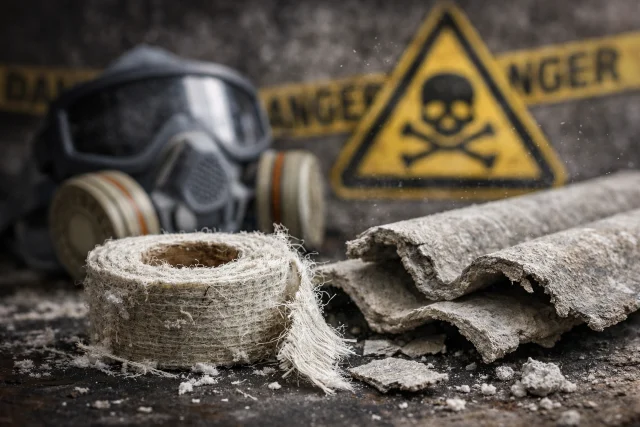
Introduction to Asbestlint
When people first come across the term asbestlint, it often sounds unfamiliar or even slightly confusing. That’s because it isn’t a widely standardized scientific term, but rather a descriptive or colloquial way of referring to lint-like material contaminated with asbestos fibers. In simple terms, it points to fine, dust-like or fibrous particles that resemble lint but are composed of or mixed with asbestos.
To understand asbestlint properly, we need to break it down into its two conceptual parts: “asbestos” and “lint.” Asbestos is a naturally occurring mineral once widely used in construction, insulation, and manufacturing due to its heat resistance and durability. Lint, on the other hand, refers to soft, fuzzy fibers that shed from fabrics or materials. When these two ideas are combined, the term suggests microscopic fibrous debris that carries the dangerous characteristics of asbestos.
Even though the word “asbestlint” is not formally used in regulatory or scientific literature, it can be helpful in describing contaminated dust environments—especially in older buildings, industrial zones, or demolition sites where asbestos-containing materials have degraded over time.
In this article, we will explore asbestlint in depth, including its origins, physical properties, risks, health implications, detection methods, regulations, and prevention strategies. The goal is to provide a clear, expert-level understanding in a simple and approachable way.
Ultimately, the most important thing to remember is that anything related to asbestos fibers, including what we are calling “asbestlint,” should be treated with extreme caution due to its well-documented health risks.
What Exactly is Asbestlint?
Asbestlint can be understood as a term used to describe fine, lint-like particles that contain asbestos fibers. These particles are extremely small, often invisible to the naked eye, and can easily become airborne when disturbed. They typically form when asbestos-containing materials begin to break down over time.
In older construction materials such as insulation boards, ceiling tiles, pipe coatings, and cement sheets, asbestos was commonly used. As these materials age or get physically damaged, they release microscopic fibers into the environment. These fibers may cluster together with dust, creating what some people might describe as “asbestlint.”
Unlike ordinary dust or fabric lint, asbestlint is hazardous because its fibers are sharp at a microscopic level. When inhaled, these fibers can lodge deep in the lungs and remain there for years. This is what makes asbestos exposure particularly dangerous compared to many other airborne particles.
It’s also important to note that asbestlint is not always visible. In many cases, it behaves like normal dust, floating in the air or settling on surfaces without any noticeable difference. This invisibility makes it especially risky in environments where asbestos materials are present but not properly maintained or contained.
So, while “asbestlint” is not a formal scientific classification, it is a useful descriptive term for understanding how degraded asbestos materials can turn into airborne fibrous dust.
Origins and Sources of Asbestlint
The origins of asbestlint are directly tied to the historical use of asbestos in various industries. For much of the 20th century, asbestos was considered a “miracle material” because of its resistance to heat, fire, and chemical damage. It was used extensively in homes, factories, ships, and even consumer products.
Over time, as asbestos-containing materials degrade, they begin to release tiny fibers. This degradation can happen naturally due to aging, or it can be triggered by physical disturbance such as drilling, sanding, cutting, or demolition work. These released fibers often mix with household dust or industrial debris, forming what could be referred to as asbestlint.
Common sources include old insulation materials around pipes and boilers, ceiling coatings known as popcorn ceilings, vinyl floor tiles, and cement-based building materials. In industrial environments, machinery insulation and protective coatings were also significant sources.
Another important factor is environmental exposure in older urban areas. Buildings constructed before asbestos regulations were introduced may still contain hidden asbestos materials. When these structures deteriorate, microscopic fibers can spread through ventilation systems or open spaces, contributing to airborne contamination.
Understanding the origin of asbestlint is crucial because it highlights how long-term material degradation—not just direct handling—can lead to exposure risks.
Physical Characteristics of Asbestlint
From a physical perspective, asbestlint consists of extremely fine fibrous particles. These fibers are so small that they cannot be seen individually without specialized microscopic equipment. However, when they accumulate, they may appear as dust, fuzz, or light grayish residue.
One of the most important characteristics of asbestos fibers is their durability. Unlike many organic fibers that break down over time, asbestos fibers remain stable in the environment for decades or even centuries. This means that once asbestlint is present, it can persist unless properly removed.
Another key feature is its ability to become airborne easily. Even minimal disturbance, such as air movement, vibration, or human activity, can lift asbestos-containing dust into the air. This makes environments with asbestlint particularly sensitive and hazardous.
Additionally, asbestos fibers have a needle-like structure at the microscopic level. This shape is what allows them to penetrate deep into lung tissue when inhaled. Once embedded, they are extremely difficult for the body to expel naturally.
These physical properties explain why asbestlint is not just ordinary dust—it is a persistent, airborne hazard that requires careful management and professional handling.
Health Risks Associated with Asbestlint Exposure
The health risks linked to asbestlint are primarily the same as those associated with asbestos exposure in general. The most serious concern is that inhaling asbestos fibers can lead to long-term respiratory diseases.
One of the most well-known conditions is asbestosis, a chronic lung disease caused by scarring of lung tissue. Over time, this condition can reduce lung function and make breathing increasingly difficult.
Another major risk is lung cancer. Long-term exposure to airborne asbestos fibers significantly increases the likelihood of developing cancer in lung tissues, especially in individuals who also smoke.
Mesothelioma is perhaps the most severe condition associated with asbestos exposure. It is a rare but aggressive cancer that affects the lining of the lungs, abdomen, or heart. Even low levels of exposure over long periods can contribute to its development.
What makes asbestlint particularly dangerous is its invisibility and persistence. People may not realize they are exposed until symptoms appear many years later. This long latency period often makes diagnosis and prevention more complicated.
Because of these risks, even minimal exposure to environments containing asbestlint is considered a serious occupational and environmental health concern.
Detection and Identification of Asbestlint
Detecting asbestlint is not something that can be reliably done with the naked eye. Since asbestos fibers are microscopic, specialized testing methods are required to confirm their presence.
One common method is air sampling, where air is collected from a suspected environment and analyzed in a laboratory. This helps determine whether airborne asbestos fibers are present and at what concentration.
Another method involves material sampling, where small portions of suspected materials are carefully collected and examined under a microscope. This is often done in older buildings during renovation or demolition planning.
Polarized light microscopy and electron microscopy are among the most accurate techniques used to identify asbestos fibers. These tools allow experts to distinguish asbestos from other harmless fibers that may look similar.
In real-world scenarios, professional environmental inspectors and certified asbestos abatement specialists are responsible for detection. It is strongly Kinervus discouraged for untrained individuals to attempt sampling themselves, as this can increase exposure risk.
Prevention and Safety Measures
Preventing exposure to asbestlint revolves around controlling asbestos-containing materials and minimizing disturbance. The most effective strategy is leaving intact asbestos materials undisturbed if they are in good condition.
In cases where asbestos materials are damaged or deteriorating, professional removal or encapsulation is necessary. Encapsulation involves sealing the material to prevent fiber release rather than removing it entirely.
In workplaces, safety measures include wearing protective equipment such as respirators, using sealed work environments, and implementing strict cleanup procedures. Air filtration systems are also commonly used to reduce airborne fiber concentration.
For homeowners, especially those living in older buildings, it is important to avoid drilling, sanding, or breaking unknown materials without inspection. Renovation projects should always include an asbestos assessment when applicable.
Government regulations in many countries strictly control how asbestos is handled, transported, and disposed of. These rules exist specifically to reduce the risk of exposure to asbestos dust, including what we are referring to as asbestlint.
Common Misconceptions About Asbestlint
There are several misconceptions surrounding asbestos-related dust, including asbestlint. One common belief is that asbestos is only dangerous in large quantities. In reality, even small exposures over time can pose serious health risks.
Another misconception is that asbestos is no longer present in modern environments. While its use has been banned or restricted in many countries, it still exists in older buildings and infrastructure worldwide.
Some people also assume that visible dust is the only concern. However, asbestos fibers are often invisible, meaning that air can be contaminated even when it looks clean.
There is also a misunderstanding that household cleaning methods can safely remove asbestos dust. In reality, improper cleaning can actually disturb fibers and increase airborne contamination.
Conclusion: Why Understanding Asbestlint Matters
Although “asbestlint” is not a formal scientific term, it effectively captures an important concept: the presence of fine, airborne asbestos fibers mixed with dust-like particles. This condition represents one of the most hazardous forms of asbestos exposure because it is invisible, persistent, and easily inhaled.
