

Introduction
The term calamariere is not something you will commonly find in traditional culinary textbooks or mainstream food dictionaries. Instead, it represents a modern, evolving concept that blends culinary creativity, seafood traditions, and contemporary dining culture into a single idea. Over time, it has come to symbolize a style of preparation, presentation, and experience centered around calamari-inspired dishes and seafood artistry.
What makes calamariere interesting is not just the food itself, but the philosophy behind it. It is about refinement, balance, and reimagining something familiar in a more elevated and expressive way. While calamari has long been a staple in Mediterranean and coastal cuisines, calamariere expands that identity into a broader culinary movement.
In this article, we will explore calamariere from multiple perspectives—its meaning, origins, characteristics, cultural influence, and future potential. The goal is to understand it not just as a dish or technique, but as a growing culinary identity that reflects modern tastes and global food innovation.
What is Calamariere?
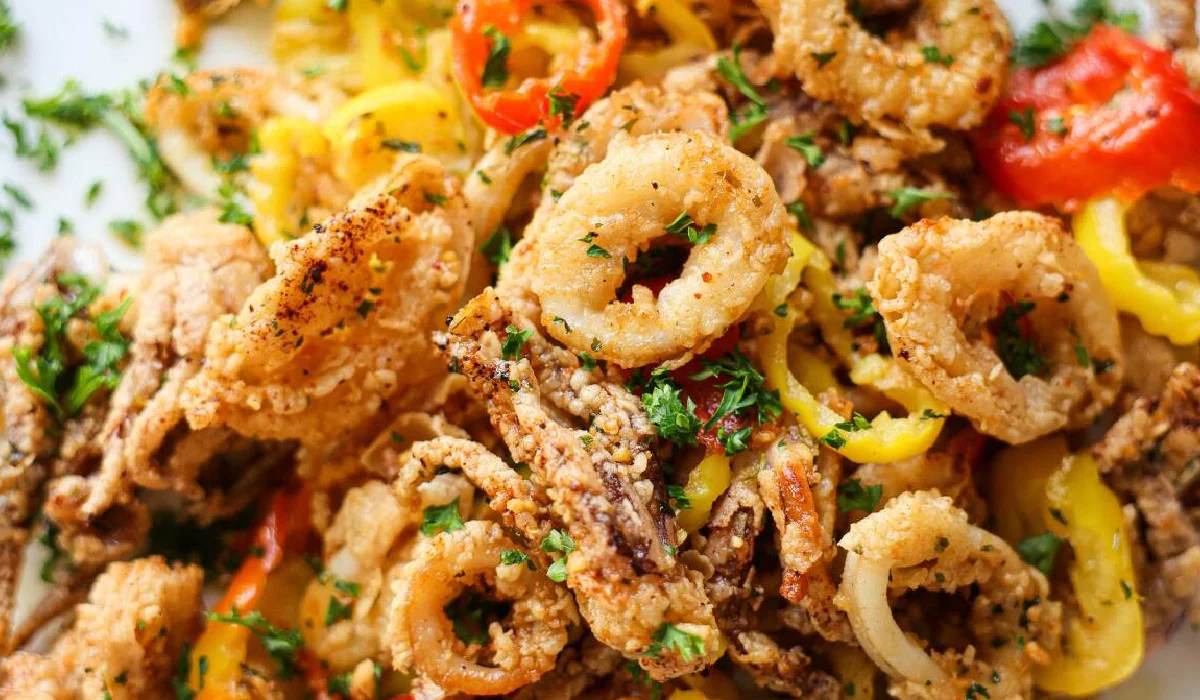
Calamariere can be described as a culinary concept centered around the transformation of calamari-based dishes into refined, creative, and often gourmet experiences. It is not limited to one recipe or cooking method but instead refers to a style of culinary interpretation that elevates squid-based cuisine.
At its core, calamariere emphasizes texture, flavor balance, and presentation. Chefs who work within this concept often experiment with frying techniques, grilling methods, sauces, and plating styles to create dishes that feel both familiar and innovative. The idea is not to reinvent calamari completely but to refine it into something more expressive.
Another important aspect of calamariere is its adaptability. It can exist in casual dining environments as well as high-end restaurants. In casual settings, it may appear as upgraded calamari rings or fusion-style appetizers. In fine dining, it may become a structured tasting experience with layered flavors and artistic plating.
Ultimately, calamariere represents a mindset in cooking. It is about taking a simple seafood ingredient and treating it with creativity, respect, and technical skill to create something that feels elevated without losing its roots.
Origins and Evolution of Calamariere
The origins of calamariere are not tied to a specific historical moment but rather to the gradual evolution of seafood cuisine across coastal cultures. Calamari itself has been consumed for centuries, especially in Mediterranean, Asian, and island cuisines. However, the concept of calamariere emerged much later as chefs began experimenting more aggressively with presentation and fusion techniques.
In traditional Mediterranean cooking, calamari was often prepared simply—fried, grilled, or stuffed. These methods focused on enhancing natural flavor rather than transforming the dish. As global cuisine evolved, chefs started to reinterpret these traditional dishes with modern techniques, leading to the early foundations of what we now refer to as calamariere.
The rise of culinary globalization played a major role in shaping this concept. As chefs traveled and trained internationally, they began combining techniques from different culinary traditions. Japanese precision, French plating aesthetics, and Mediterranean flavor profiles all contributed to the development of more refined squid-based dishes.
Over time, this fusion of ideas gradually formed a recognizable pattern. Restaurants began offering “signature calamari experiences,” featuring unique sauces, textures, and artistic presentations. These innovations collectively contributed to the identity of calamariere as a modern culinary approach rather than a single cuisine.
Today, calamariere continues to evolve, influenced by food trends such as sustainability, molecular gastronomy, and experiential dining. It reflects how traditional ingredients can be continuously reimagined in a modern culinary landscape.
Key Features and Characteristics of Calamariere
One of the defining features of calamariere is its emphasis on texture. Squid is naturally versatile but requires precise cooking to achieve the desired tenderness. In calamariere-style cooking, texture is treated as a central design element rather than just a byproduct of preparation. Chefs carefully balance crispness, softness, and chewiness to create a layered eating experience.
Another key characteristic is flavor innovation. Traditional calamari often relies on simple seasoning such as salt, lemon, or light battering. Calamariere expands this approach by introducing complex flavor profiles. This may include infused oils, exotic spices, citrus reductions, or fusion sauces that combine elements from different cuisines.
Presentation also plays a major role. In calamariere, plating is not just aesthetic—it is part of the storytelling. Dishes are often arranged in visually appealing compositions that highlight contrast, color, and structure. This transforms the dining experience into something more immersive and artistic.
Lastly, versatility is a defining trait. Calamariere is not confined to a single cooking style or region. It can appear in appetizers, main courses, tapas menus, or even street food adaptations. This flexibility allows it to thrive in diverse culinary environments, from casual eateries to high-end restaurants.
Calamariere in Modern Culinary Applications
In modern kitchens, calamariere has become a source of inspiration for chefs who want to experiment with seafood in creative ways. It is often used as a foundation for fusion cuisine, where traditional calamari is combined with ingredients from other culinary cultures.
For example, some chefs incorporate Asian-inspired flavors such as soy glaze, wasabi foam, or sesame-infused oils. Others may draw from Mediterranean roots, using olive-based sauces, herbs, and citrus elements. This blending of styles allows calamariere to remain dynamic and relevant in today’s evolving food scene.
In fine dining, calamariere often appears as part of tasting menus. Here, it is treated as a conceptual dish rather than just a seafood item. Each plate is carefully designed to contribute to a broader culinary narrative, where texture progression and flavor layering are essential components.
On the other hand, casual dining establishments use calamariere as a way to upgrade familiar dishes. Instead of standard fried calamari, menus might feature tempura-style variations, stuffed squid rolls, or gourmet dipping sauces. This makes the concept accessible while still offering a sense of refinement.
Even street food culture has embraced elements of calamariere. Food trucks and small vendors often experiment with bold seasoning blends and creative serving styles, bringing gourmet influence into everyday dining experiences. This demonstrates how flexible and widely adaptable the concept has become.
Cultural Impact and Global Influence of Calamariere
The cultural impact of calamariere lies in its ability to bridge traditional and modern food cultures. It respects the long history of seafood consumption while also embracing innovation and experimentation. This balance makes it appealing to both traditionalists and modern food enthusiasts.
In many coastal regions, calamari has always been a symbol of local cuisine and identity. Calamariere builds on this foundation by elevating it into a global culinary language. It allows chefs from different backgrounds to reinterpret a shared ingredient in unique ways, creating cross-cultural connections through food.
Social media has also played a significant role in the rise of calamariere. Visually appealing dishes featuring squid-based creations often gain popularity online due to their artistic presentation. This has helped the concept spread quickly across international food communities and dining trends.
Additionally, calamariere reflects a broader Asbestlint shift in how people experience food today. Dining is no longer just about nourishment—it is about storytelling, aesthetics, and emotional engagement. Calamariere fits perfectly into this trend by offering a multi-sensory experience that goes beyond taste alone.
As global cuisine continues to evolve, calamariere stands as an example of how traditional ingredients can gain new cultural significance through creativity and reinterpretation.
The Future of Calamarire
Looking ahead, calamariere is likely to continue evolving alongside global culinary trends. One of the most important directions it may take is sustainability. As seafood sourcing becomes more conscious and regulated, chefs will need to find responsible ways to incorporate squid into modern cuisine.
Another future trend is technological innovation in cooking techniques. Advanced kitchen tools such as precision temperature control, vacuum cooking, and molecular gastronomy methods may further enhance how calamariere dishes are prepared and presented.
We may also see calamariere expand further into plant-based or alternative seafood interpretations. With the rise of sustainable eating habits, chefs might experiment with squid-like textures using plant-based ingredients, maintaining the conceptual essence of calamariere while adapting to dietary changes.
Finally, the global culinary landscape will likely continue embracing fusion and experimentation. This means calamariere will remain relevant as long as chefs are willing to reinterpret traditional ingredients in new and creative ways.
In essence, the future of calamariere is not fixed. It is a living concept that grows with culinary innovation, cultural exchange, and evolving consumer expectations.
Conclusion
Calamariere is more than just a culinary term—it is an evolving idea that represents creativity, refinement, and global culinary fusion. From its roots in traditional calamari dishes to its modern interpretations in fine dining and street food, it showcases how a simple ingredient can be transformed into something artistic and expressive.
