

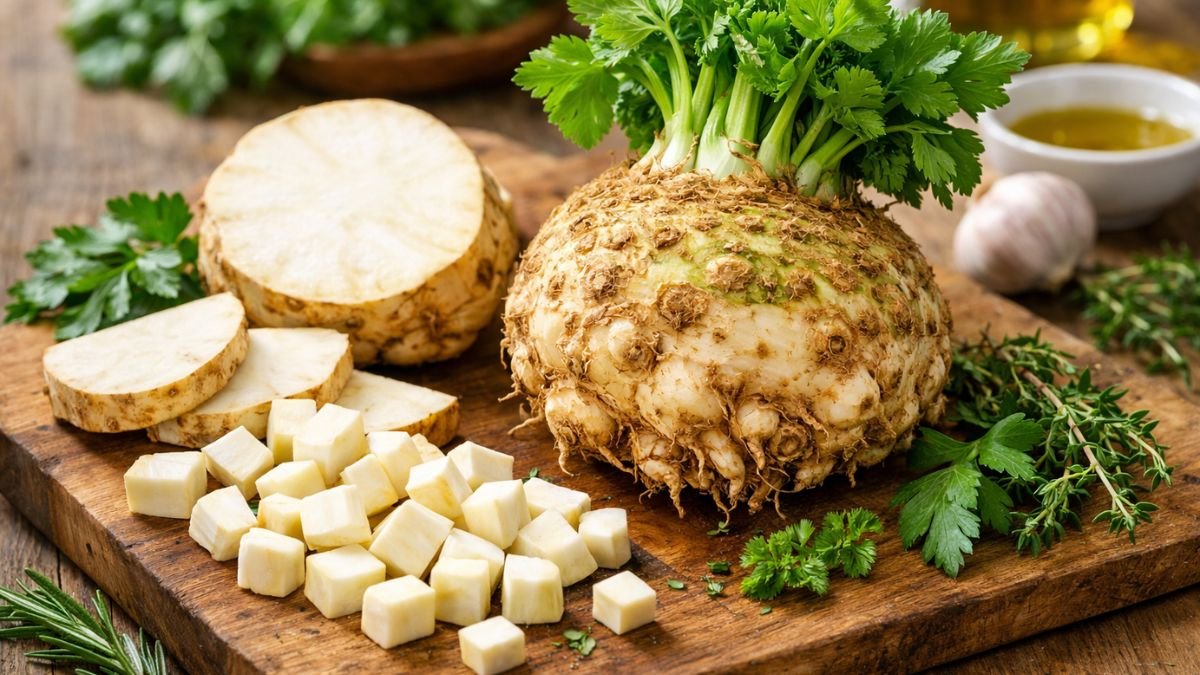
Introduction to Pravi Celer Concept
Pravi celer is a term that often gets interpreted in different ways depending on cultural and linguistic context, but at its core, it is most commonly associated with the idea of “true celery” or authentic celery in its natural and unprocessed form. In this article, we will treat pravi celer as a holistic concept that represents not only the vegetable itself but also its nutritional integrity, traditional use, and modern wellness interpretations. It is more than just a kitchen ingredient; it is a symbol of simplicity and natural health.
When people refer to pravi celer, they are usually emphasizing purity—celery that has not been overly processed, chemically altered, or stripped of its natural nutrients. This idea has become increasingly important in a world where food processing is widespread. The concept encourages us to return to basics and appreciate ingredients in their most natural state, which aligns closely with modern clean-eating movements.
From a culinary and nutritional standpoint, pravi celer stands out because of its crisp texture, refreshing taste, and remarkable nutrient density. It is often included in diets focused on detoxification, weight management, and cardiovascular health. However, its importance goes beyond diet trends—it has deep roots in traditional medicine systems that valued it for its healing properties.
In this broader interpretation, pravi celer is not just celery. It represents a lifestyle choice centered on natural wellness, mindful eating, and a deeper connection to what we consume daily. This makes it a fascinating topic for both nutrition enthusiasts and culinary experts alike.
Nutritional Profile and Natural Composition
Pravi celer is widely recognized for its impressive nutritional profile, which makes it a staple in health-conscious diets around the world. It is composed mostly of water, which gives it a hydrating quality, but it also contains essential vitamins and minerals that support various bodily functions. Among these nutrients are vitamin K, vitamin C, potassium, folate, and small amounts of vitamin A.
One of the most important aspects of pravi celer is its low calorie content combined with high fiber levels. This combination makes it an excellent food for digestion and weight management. The fiber helps regulate bowel movements, supports gut health, and contributes to a feeling of fullness, which can reduce overall calorie intake throughout the day.
Beyond vitamins and fiber, pravi celer also contains antioxidants such as flavonoids and polyphenols. These compounds play a role in reducing oxidative stress in the body, which is linked to aging and chronic diseases. Regular consumption of foods rich in antioxidants is often associated with improved immune function and reduced inflammation.
What makes pravi celer particularly interesting is how its natural composition remains beneficial in both raw and lightly cooked forms. While some nutrients may be sensitive to heat, many of its core benefits remain intact, making it a flexible ingredient for various dietary preferences and cooking styles.
Health Benefits and Wellness Applications
Pravi celer is often celebrated for its wide range of health benefits, particularly in the areas of digestion and cardiovascular support. One of its most well-known effects is its ability to support healthy blood pressure levels. This is largely due to compounds called phthalides, which may help relax blood vessel walls and improve circulation.
Another significant benefit of pravi celer is its role in digestive health. The fiber content supports regular bowel movements and helps maintain a balanced gut microbiome. A healthy digestive system is essential for nutrient absorption, immune support, and overall well-being, making celery a valuable addition to daily meals.
In the context of weight management, pravi celer is frequently included in low-calorie diets due to its high water content and satisfying crunch. It provides volume without adding excessive calories, making it an ideal snack for those trying to reduce overall food intake without feeling deprived.
Additionally, pravi celer has been associated with anti-inflammatory properties. Chronic inflammation is linked to various health issues, including arthritis, heart disease, and metabolic disorders. While it is not a cure, incorporating anti-inflammatory foods like celery into a balanced diet can contribute to long-term health maintenance.
Culinary Uses and Everyday Integration
Pravi celer is one of the most versatile vegetables in the culinary world, and its uses extend far beyond simple salads. Its crunchy texture and mild flavor make it an excellent base ingredient in soups, stews, and broths. It is often used as part of a flavor foundation alongside onions and carrots in many global cuisines.
In raw form, pravi celer is commonly eaten as a snack, often paired with dips like hummus, peanut butter, or yogurt-based sauces. This makes it a convenient and healthy option for people looking for quick, nutritious snacks that require minimal preparation.
Juicing is another popular way to consume pravi celer. Celery juice has gained significant popularity in wellness communities, often marketed as a detoxifying beverage. While scientific opinions on detox claims vary, there is no doubt that celery juice provides hydration and concentrated nutrients in an easily consumable form.
Beyond traditional uses, modern chefs have started experimenting with pravi celer in innovative ways. It is now being used in smoothies, pesto variations, and even as a garnish in gourmet dishes. This creative integration shows how a simple vegetable can evolve into Piçada a sophisticated culinary ingredient.
Cultural and Historical Perspective
The history of pravi celer dates back thousands of years, with early records showing its use in ancient Mediterranean and Asian civilizations. Initially, celery was not cultivated primarily as food but rather as a medicinal plant and even as a ceremonial herb in some cultures.
In ancient Greece and Rome, celery was associated with both healing and symbolic meaning. It was often used in herbal remedies and was believed to have calming properties. Over time, cultivation practices improved its taste and texture, transforming it into the edible vegetable we know today.
Different cultures have incorporated celery into their traditional cuisines in unique ways. In European cooking, it became a foundational ingredient in soups and stews, while in Asian cuisine, it is often stir-fried or used in aromatic dishes. These diverse uses highlight its adaptability across culinary traditions.
The concept of pravi celer also reflects a cultural appreciation for authenticity and natural food sources. As industrial food production expanded, many societies began to revalue traditional ingredients like celery, emphasizing their original, unprocessed forms as symbols of healthier living.
Modern Trends, Myths, and Scientific View
In recent years, pravi celer has gained renewed attention due to the rise of wellness trends and social media influence. Celery juice, in particular, has become a viral health trend, often promoted as a miracle detox drink. While it does offer hydration and nutrients, scientific research does not fully support exaggerated claims about detoxification.
One common myth is that celery alone can cleanse the body of toxins. In reality, the human body already has highly efficient detoxification systems, primarily involving the liver and kidneys. However, consuming nutrient-rich foods like pravi celer can certainly support these organs in maintaining optimal function.
From a scientific perspective, celery is appreciated for its antioxidant and anti-inflammatory compounds. Researchers continue to study its potential role in supporting cardiovascular health and metabolic balance. While it is not a standalone treatment for any disease, it is considered a beneficial component of a balanced diet.
Modern dietary trends have also positioned pravi celer as part of plant-based and clean-eating lifestyles. Its simplicity, affordability, and nutritional value make it a popular choice among health-conscious individuals. Despite some exaggerated marketing claims, its real value lies in its consistency as a wholesome, natural food.
Conclusion
Pravi celer, whether understood as a concept of authentic celery or as a symbol of natural nutrition, holds a unique place in both traditional and modern diets. Its nutritional richness, culinary flexibility, and historical significance make it far more than just an ordinary vegetable. It represents a return to simplicity in a world increasingly dominated by processed foods.
